
 INSTRUMENT
PIERCING
INSTRUMENT
PIERCING
Ear Piercing for Kids (4 to 10 Years): Preparing Your Child for Their First Ear Piercing
July 20, 2026
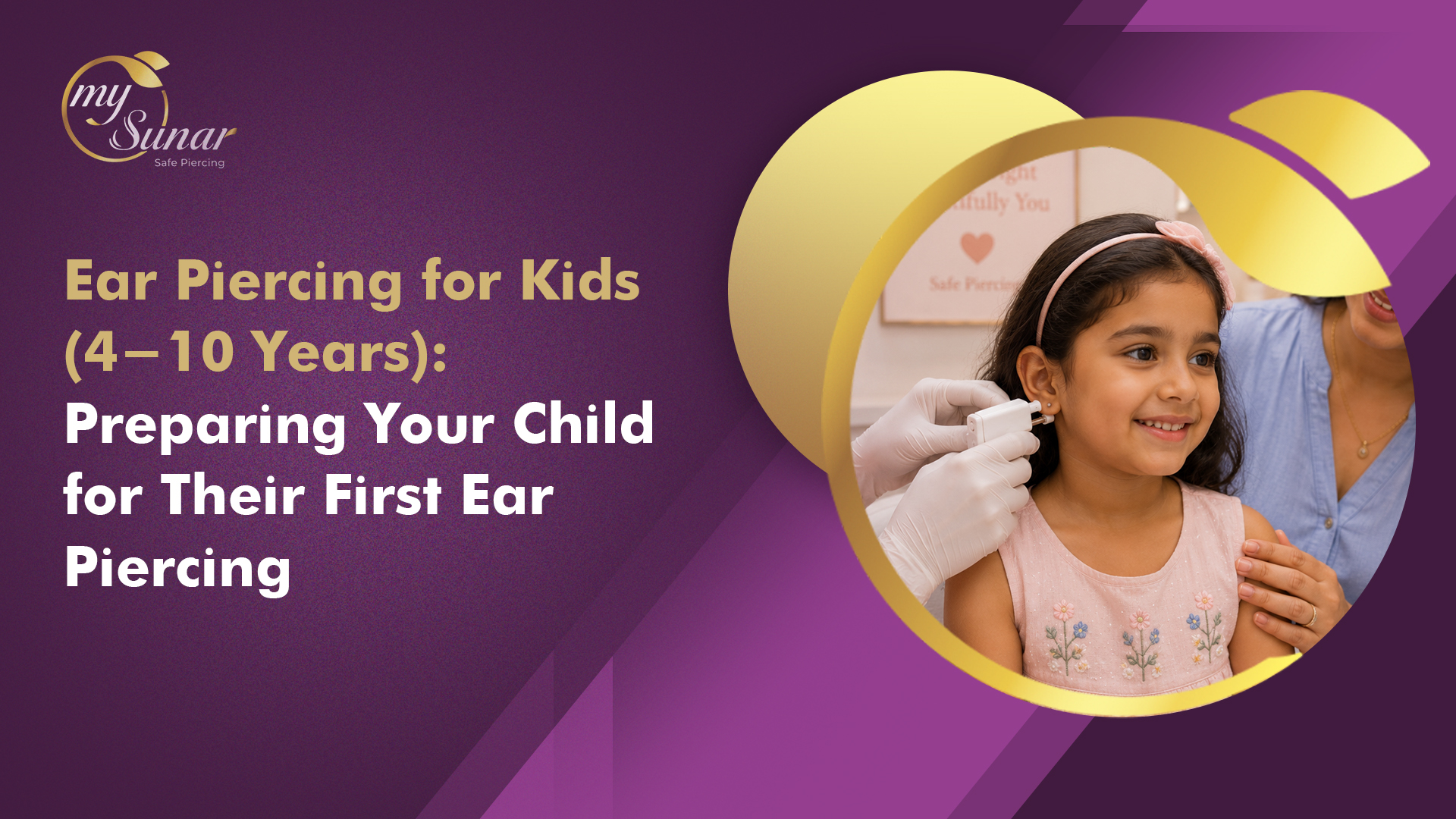
It is somewhere around the age of four to ten years when children leave babyhood behind and start becoming independent. Children begin developing opinions, liking different colours, asking all sorts of questions and growing self-confidence. If you are planning an ear piercing for your kid, here come some new possibilities and difficulties.
Children at this age will remember everything related to ear piercing. The children will remember how you behaved, how you talked, whether they felt comfortable or not and how scared they were during the procedure. This memory will form some attitude towards you, medical professionals and other situations in future.
The following guide is designed for parents who want to organise their kids' ear piercings for the first time. In this guide, we are going to talk about preparing the kid for the procedure, a safe place for ear piercing and making the event memorable.
Why This Age Group Deserves a Different Approach
Kids between 4 and 10 are old enough to understand, ask questions, and express fear. This is a wonderful thing. It means you can involve them, prepare them, and give them ownership of the experience.
At this stage, children understand simple explanations about what is happening, and they feel a strong need to be respected and heard. They can express fears verbally rather than only through crying, which gives you real information to work with. Most children take genuine pride in being brave and trying new things, and they often want to feel included in the decision rather than instructed about it.
Skipping the conversation and simply taking them for a piercing can feel like a betrayal to a child of this age. Involving them, on the other hand, builds trust and gives them a sense of maturity that they will quietly carry.
Should Your Child Have a Say?
For a first ear piercing for children in such an age group, yes, they should definitely be heard. Not that it should be solely decided by them, but the way they feel about it should definitely matter too.
A few subtle questions could lead you to this discussion. Ask them if they would want their ears to be pierced and how they are feeling about it, whether curious, scared or thrilled. Give them a little say in the process, like letting them pick out their first studs or letting them decide if anyone would hold their hand while they get their ears pierced. Find out what could make them feel more confident on the day of the piercing.
A child who feels he is being listened to rather than told what to do will cooperate naturally. Even a scared child turns into a willing one.
Preparing Your Child in the Days Before
Preparation for kids is more emotional than logistical. A few thoughtful conversations can transform their experience from anxious to excited.
Try these preparation steps in the days leading up to the visit:
• Explain what will happen in simple, honest words
• Acknowledge that it may sting for a second, then be over
• Avoid repeating words like hurt, pain, or sharp
• Share your own piercing story if you have one
• Let them pick out a small treat for after the visit
Honesty matters. Do not tell your child it will not hurt at all, because when it does sting briefly, they will feel misled. Instead, tell them it feels like a quick pinch, and it is over before you can count to three.
What to Expect at the Appointment
At mySunar, the practitioner will begin by simply talking to your child. The first minute of connection is important. It helps your child feel comfortable and reduces anxiety before anything begins.
The practitioner will explain, in a friendly tone, what they are about to do. They will show the sterilised gold needle in a way that feels reassuring rather than clinical. The earlobes are then marked carefully to ensure both ears are perfectly balanced.
The piercing itself takes only a moment for each ear. Your child may flinch, tear up briefly, or laugh with relief afterwards, all of which are normal. A calm, encouraging voice from you throughout makes an enormous difference.
Aftercare Kids Can Help With
One of the best parts about this age group is that they can be part of their own aftercare. Turning aftercare into a shared little routine helps children feel proud and responsible.
Involve them in these small habits:
• Washing their hands before touching their ears
• Learning how to clean the area gently, with your help
• Choosing hairstyles that keep hair away from the earlobes
• Remembering not to sleep face-down for the first few weeks
• Telling you if their ear ever feels itchy, warm, or sore
This shared responsibility builds body awareness and self-care habits that stay with them for years. It is a small lesson in taking care of themselves.
Common Concerns Parents Have
Parents of this age group often ask similar questions, and they deserve honest answers. Most kids return to their normal school day the same day, minus swimming or contact sports for a short window. PE, dance class, or anything involving heavy movement or sweat is best paused for one to two weeks while the piercing settles.
Helmets that press directly on the ears should be avoided for the first two weeks, though cycling with a helmet that does not pinch the earlobes is usually fine. If your child worries about friends teasing them, a little role-playing at home about how to respond can quietly build their confidence. Kids are resilient, but they also read tension in adults, so your relaxed confidence becomes their confidence.
Choosing the First Pair of Studs
Your child's first set of earrings is much more important than many parents realise. Not only will it affect comfort and recovery, but it will also influence their opinion of the entire process. Studs made out of pure gold are good for healing skin, and the simpler they are, the less chance they have of catching clothing or hair.
When it comes to safe choices, you should look for ear posts with secure backing to avoid losing them while sleeping, as well as stud earrings without sharp edges. Within the range of safe choices, allow your child to choose earrings that they like.
mySunar Insight
How a child is addressed in the first two minutes sets the tone for the entire process. It becomes much more significant than the technique that is applied, although there is no sacrifice made to the technique. A child who is recognised as a little person goes out feeling confident rather than scared.
Conclusion
An initial ear piercing for your child at this age is more than just a cosmetic event. It is an early experience for him or her to be selecting something independently, to be brave, and to trust a stranger adult. This can become a source of pride for your child when done right.
It should never be about perfection. It is all about transparency, a gentle approach, and an environment that treats your child as an individual. It is the preparation before the appointment that is much more important than the procedure itself.
In case you are thinking about going through this experience with your child, then mySunar is happy to provide you with a cosy, sterile, and child-friendly environment where all procedures are prepared keeping in mind the best interests of children.
FAQs
1. What is a good age to plan a first ear piercing for children?
There is no universal age. What matters most is your child's readiness, curiosity, and comfort with the idea. Many parents find between 5 and 8 years to be a naturally cooperative window.
2. Should I let my child choose whether to have their ears pierced?
Their voice should be part of the decision, even if not the final word. Feeling heard makes children far more cooperative and confident during the piercing itself.
3. How can I make the experience less scary?
Be honest, gentle, and calm. Explain what will happen in simple words. Bring a favourite toy, plan a small treat afterwards, and let them hold your hand throughout.
4. Can my child go back to school the next day?
Yes, most children resume school and daily activities the same day or the next. Avoid swimming and contact sports for around two weeks while the piercing heals.
5. What if my child changes their mind at the last minute?
Respect their pause. Reschedule without pressure. A postponed piercing done willingly is always better than a rushed one done through tears or fear.